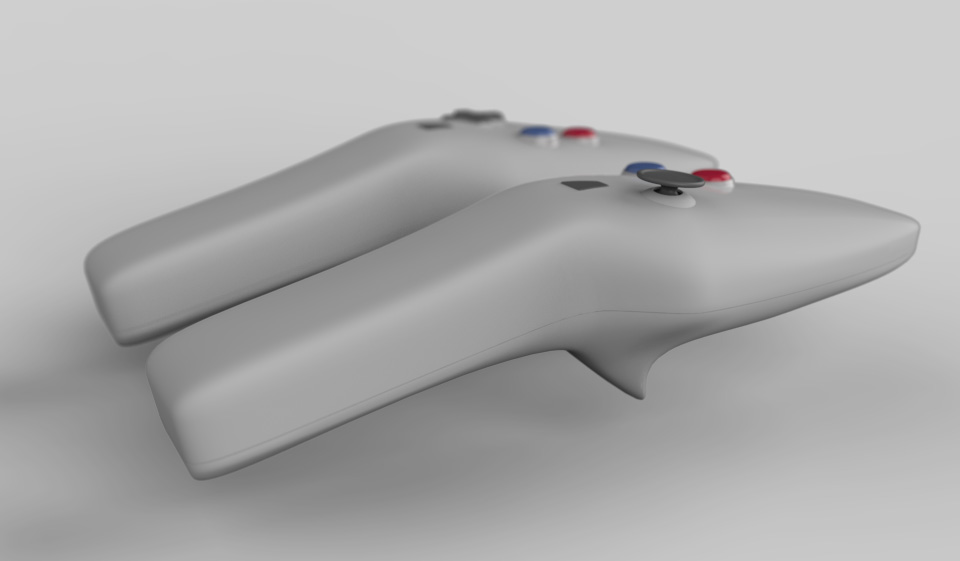
Design Overview
Concept
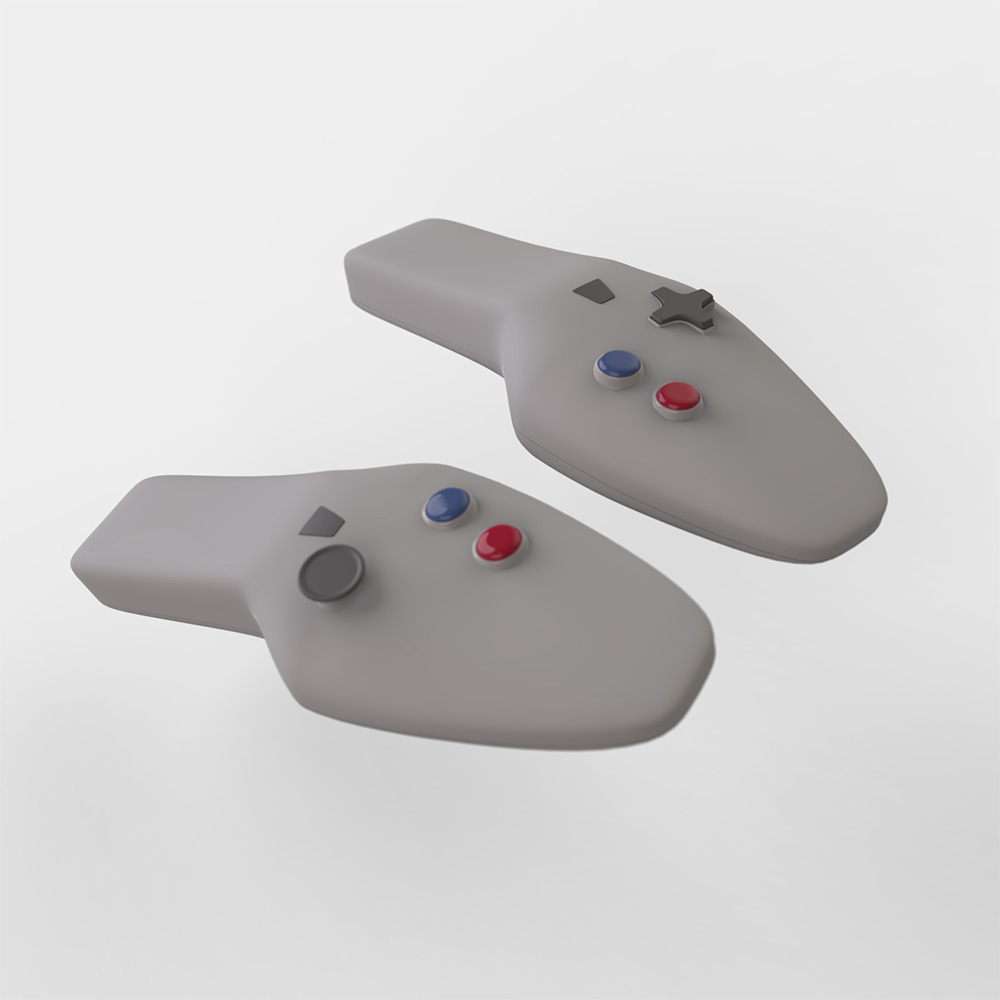
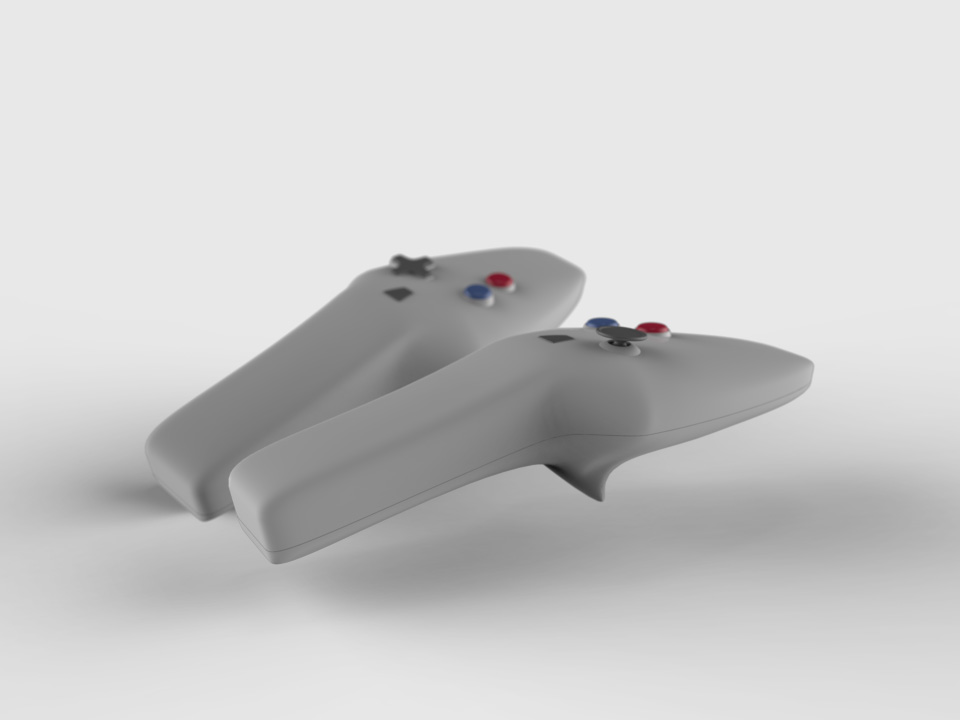
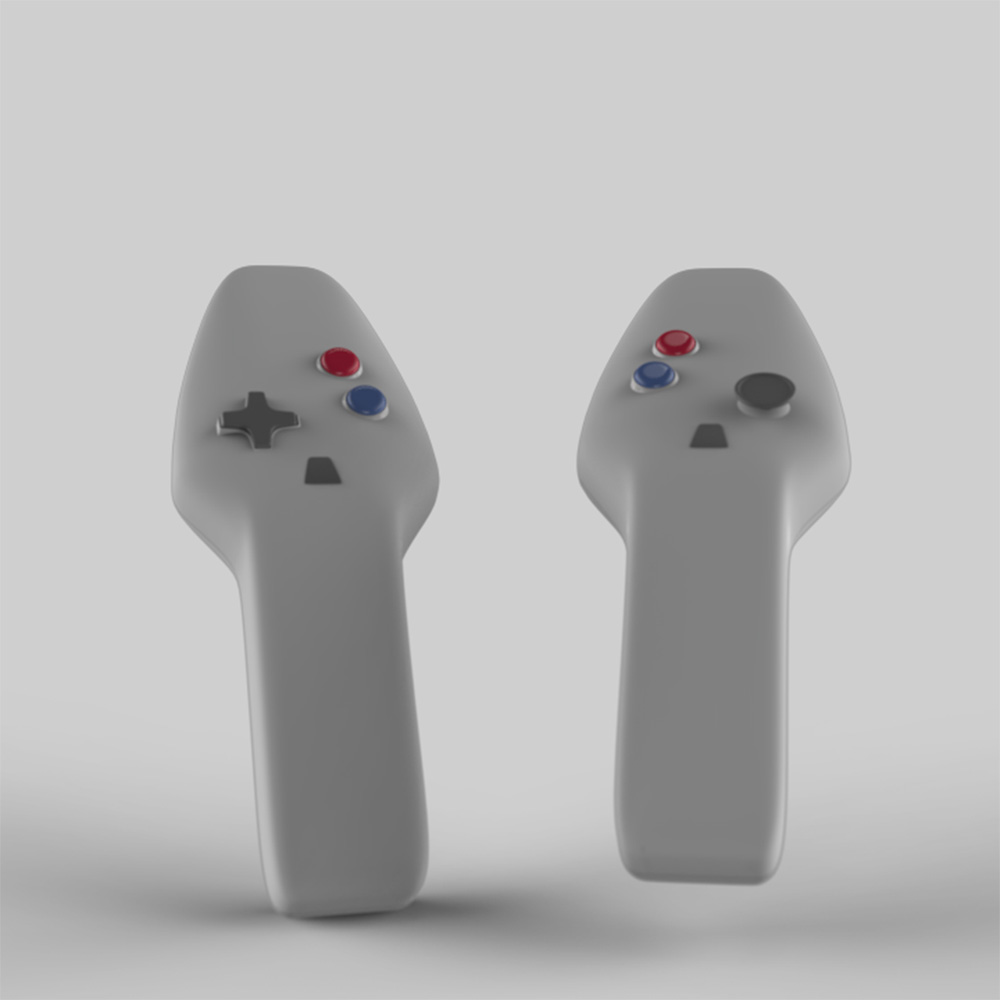
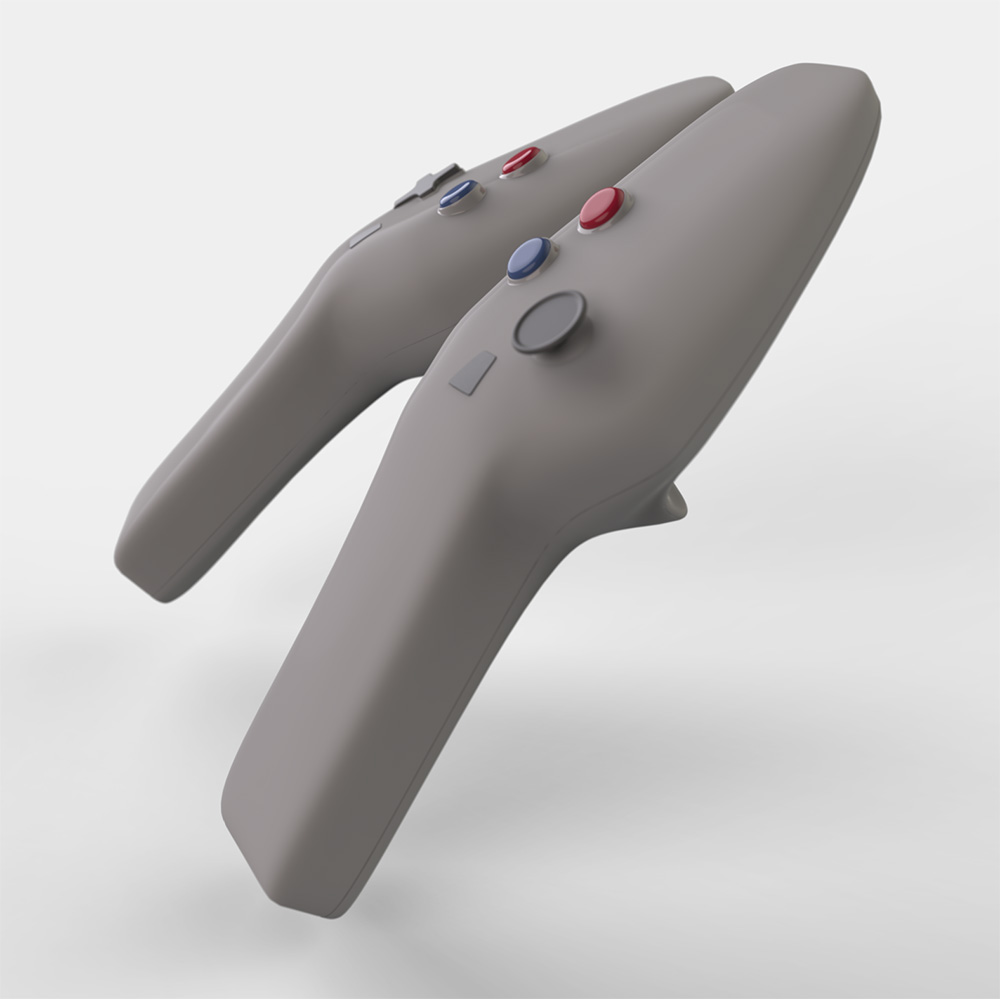
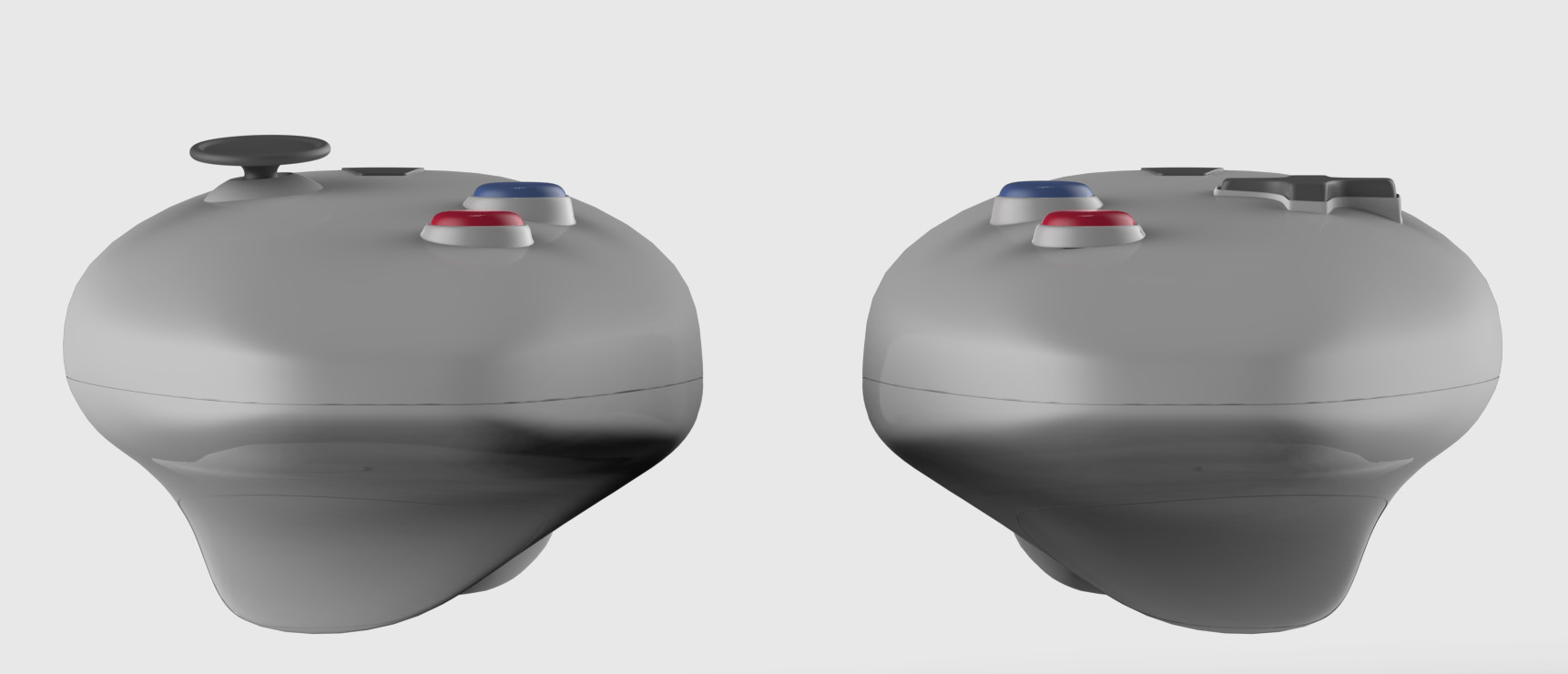
Virtual reality controllers focusing on grip and user interaction while in a digital space. Used to navigate an ever expanding 3D virtual space, Aero brings the past to the present. Built on what we know from controllers of the past, designed for the modern digital age.
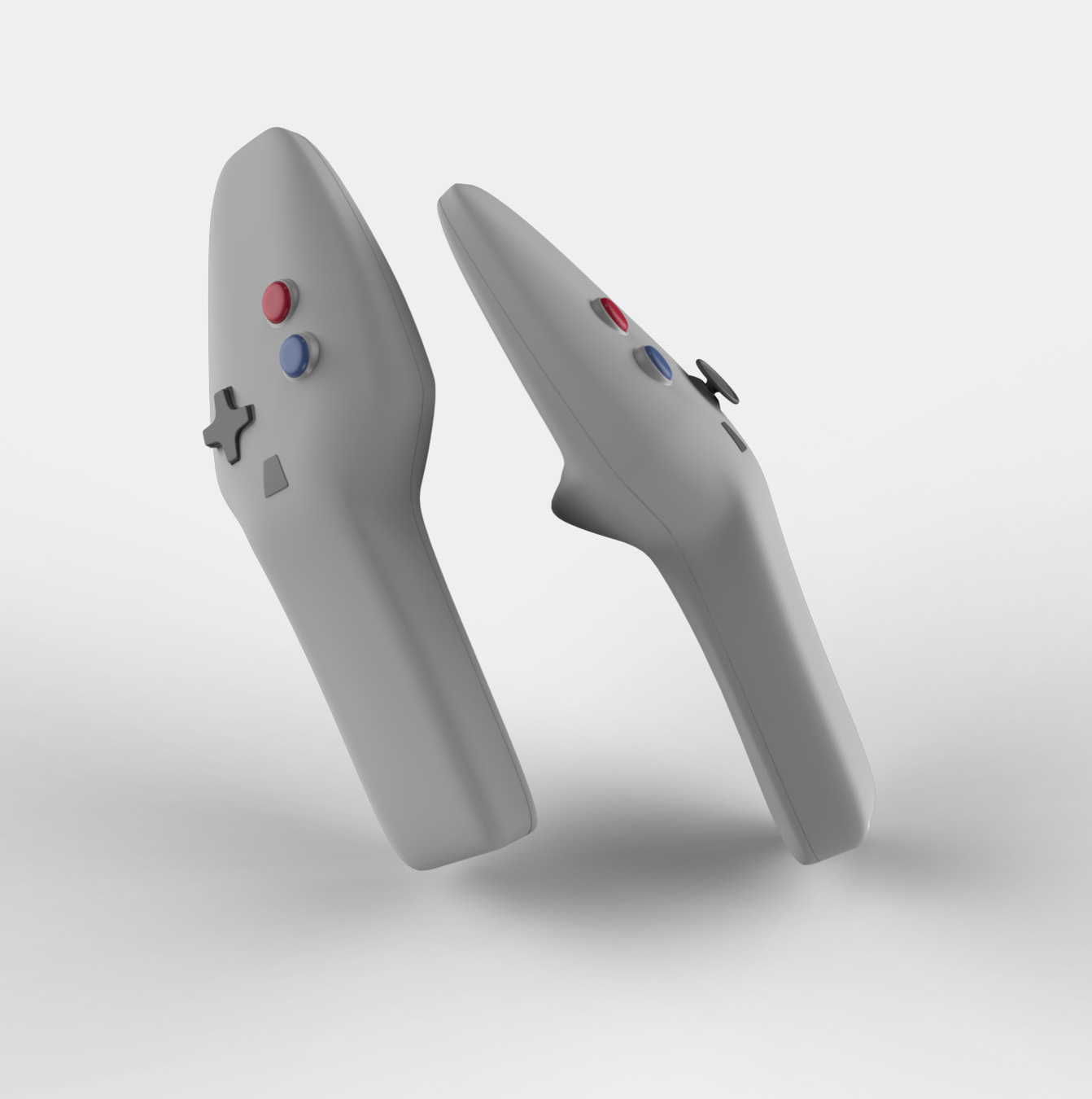
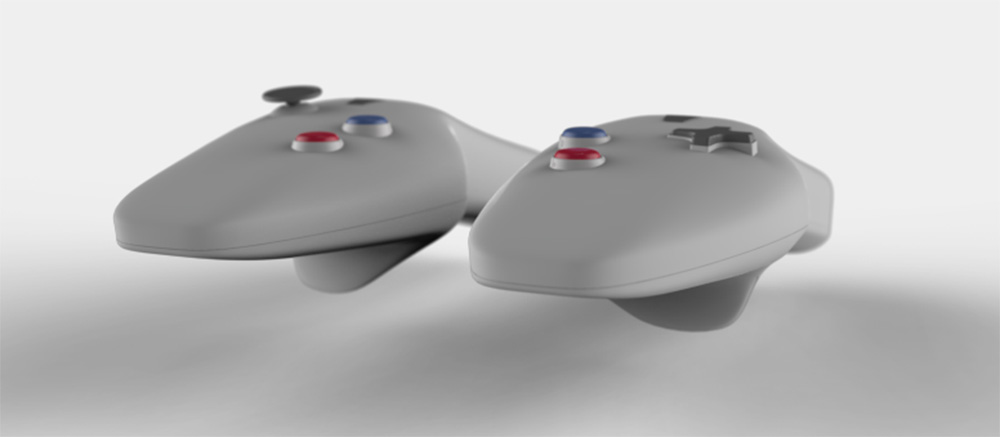
Compatibility
Aero is compatible with leading VR platforms, designed to feel familiar while pushing the boundaries of ergonomic interaction in virtual environments.
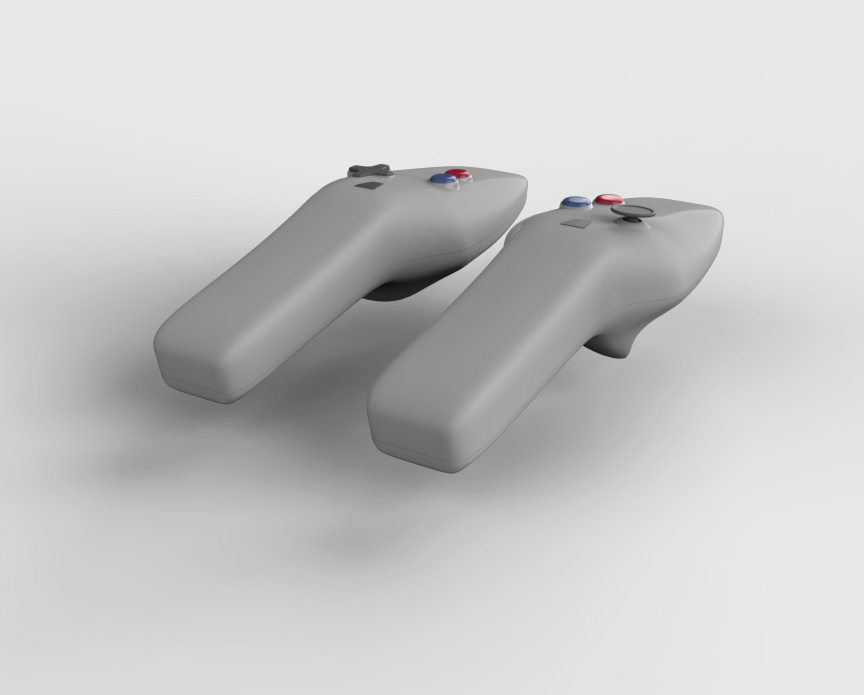
Market Research
Market Landscape
The VR hardware market is expanding rapidly, with standalone headsets leading adoption. Controller design has become a key differentiator — users increasingly choose platforms based on comfort and interaction quality rather than display specs alone.
Fatigue & Ergonomics
Extended sessions — common in gaming, training, and enterprise VR — expose critical ergonomic failures in current controllers. Grip fatigue, wrist strain, and button reach are the top three complaints across major platform reviews and user studies.
User Pain Points
Surveys of regular VR users reveal consistent frustration: controllers feel bulky and unbalanced, thumb placement requires unnatural extension, and hand tracking accuracy degrades in non-standard grips — breaking immersion at critical moments.
Competitive Analysis
Studying existing controllers from Meta, Sony, and Valve revealed a consistent gap between what users need ergonomically and what manufacturers deliver. While tracking technology has advanced significantly, grip geometry has changed very little since the first generation of motion controllers.
Design Opportunities
Grip geometry must support neutral wrist posture across a wider range of hand sizes and grip styles.
Button placement should reduce thumb extension, keeping inputs within natural reach without repositioning the hand.
Weight distribution needs to shift toward the palm to reduce wrist fatigue during extended use.
User Interviews
What players actually said:
Five regular VR users were interviewed about their experience with existing controllers across gaming, fitness, and creative applications. Sessions focused on grip comfort, fatigue patterns, and moments of frustration during extended use.
"After about half an hour my hand starts to cramp. I end up shaking it out and losing my place in the game — it pulls me out of the experience completely."
"The buttons are fine when I'm sitting still, but the moment I'm moving around I have to look at my hands to find the right button. That should never happen in VR."
"I have smaller hands so I'm always stretching to reach the trigger. It's not painful exactly, but it's never comfortable either — I'm always aware of the controller."
Key Findings
Grip fatigue was universal — every participant experienced discomfort, with onset between 20 and 45 minutes depending on activity intensity.
Button discoverability breaks immersion. Users rely on muscle memory that current layouts don't support during active movement.
Hand size accommodation is poor across all major platforms — smaller hands are consistently underserved by grip geometry designed for a single average.
Weight balance was cited as a secondary but consistent issue — controllers feel front-heavy, pulling the wrist into extension over time.
Sketches
Early Exploration
Early sketches focused on grip geometry and button placement, exploring how existing controller conventions could be evolved for a more immersive VR experience.
Form Studies
Foam & SuperSculpy
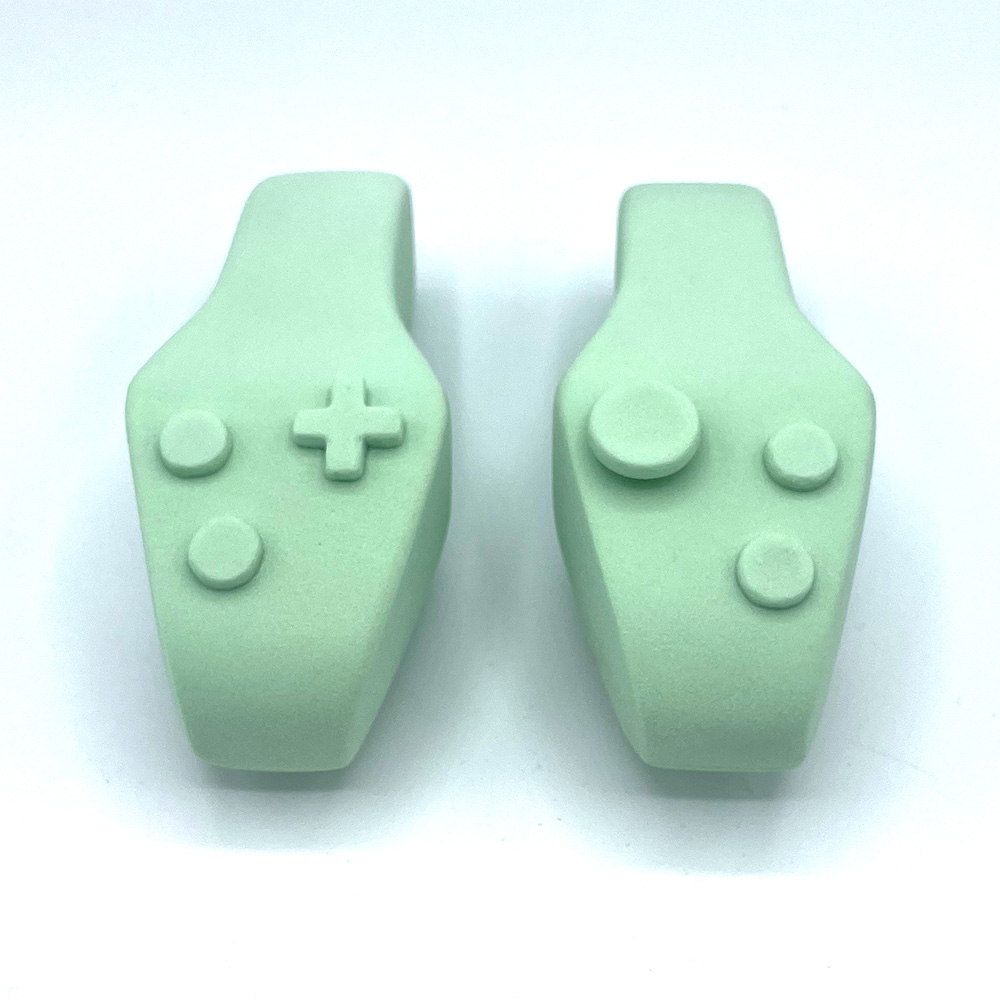
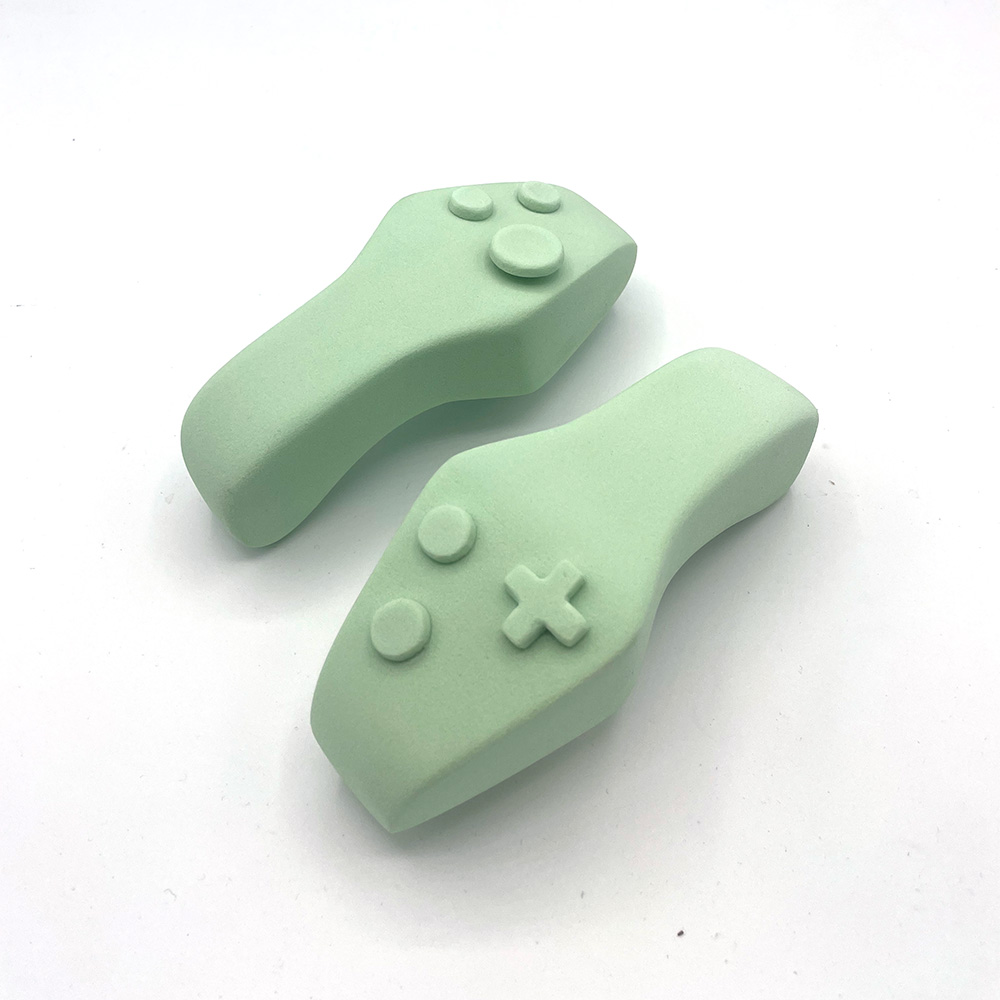
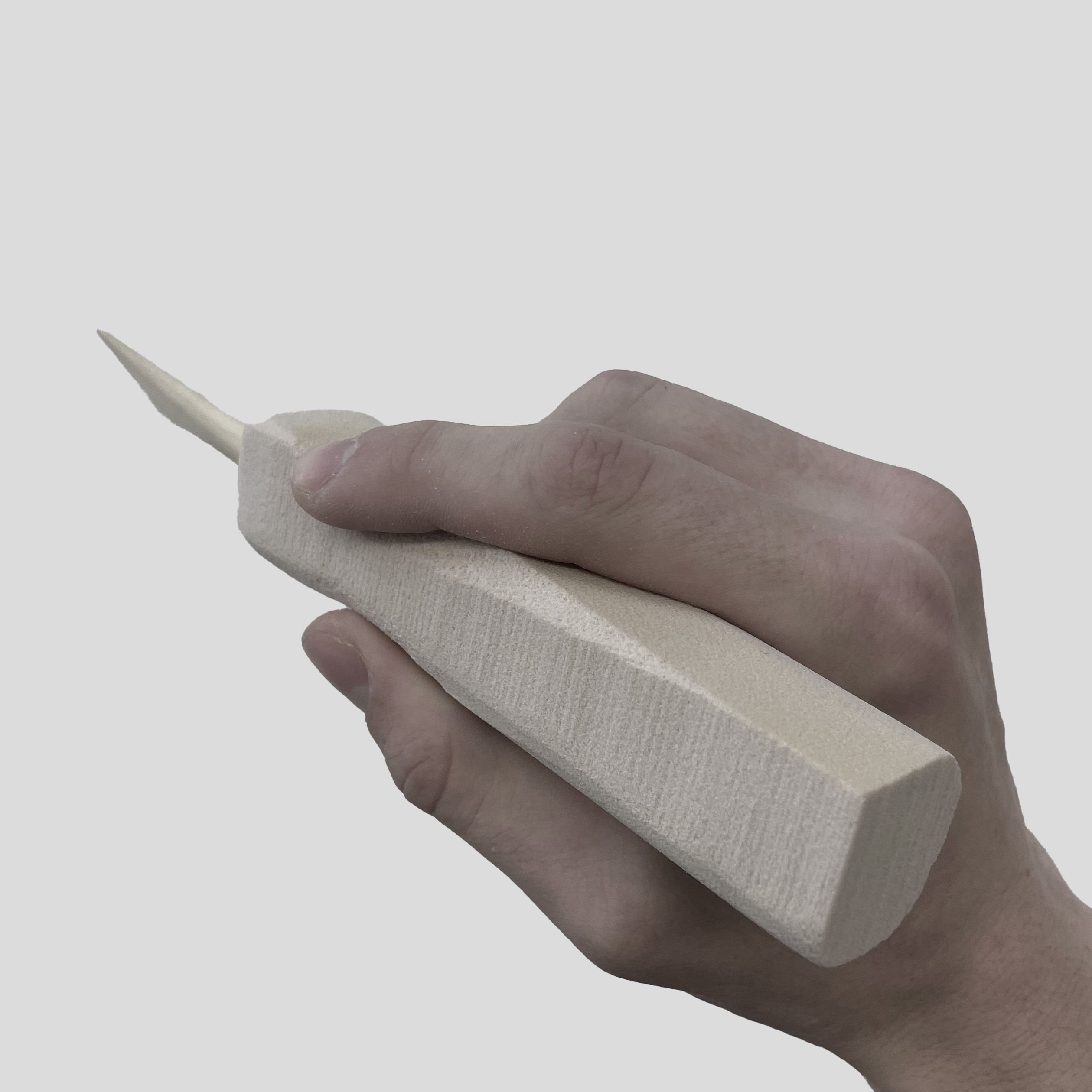
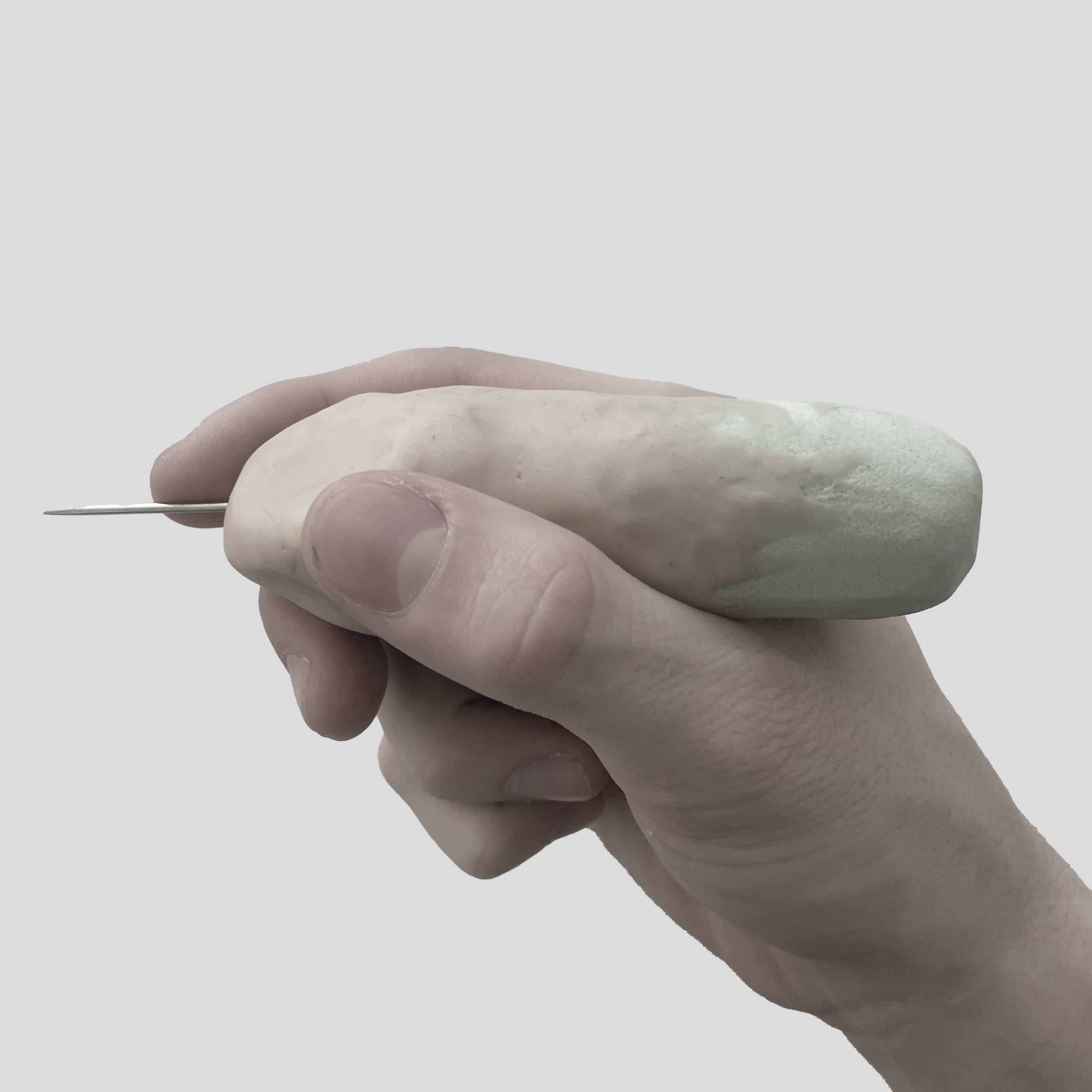
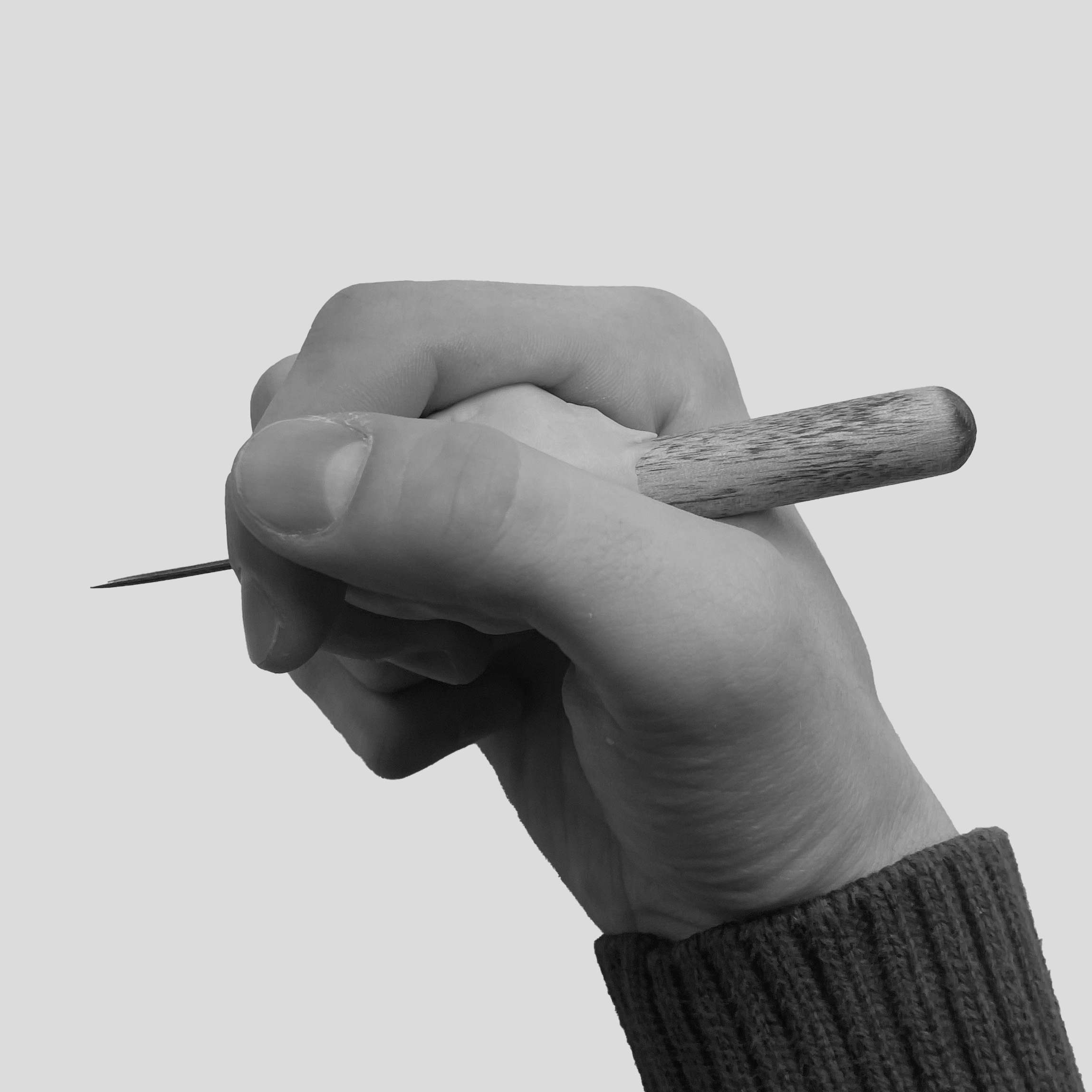
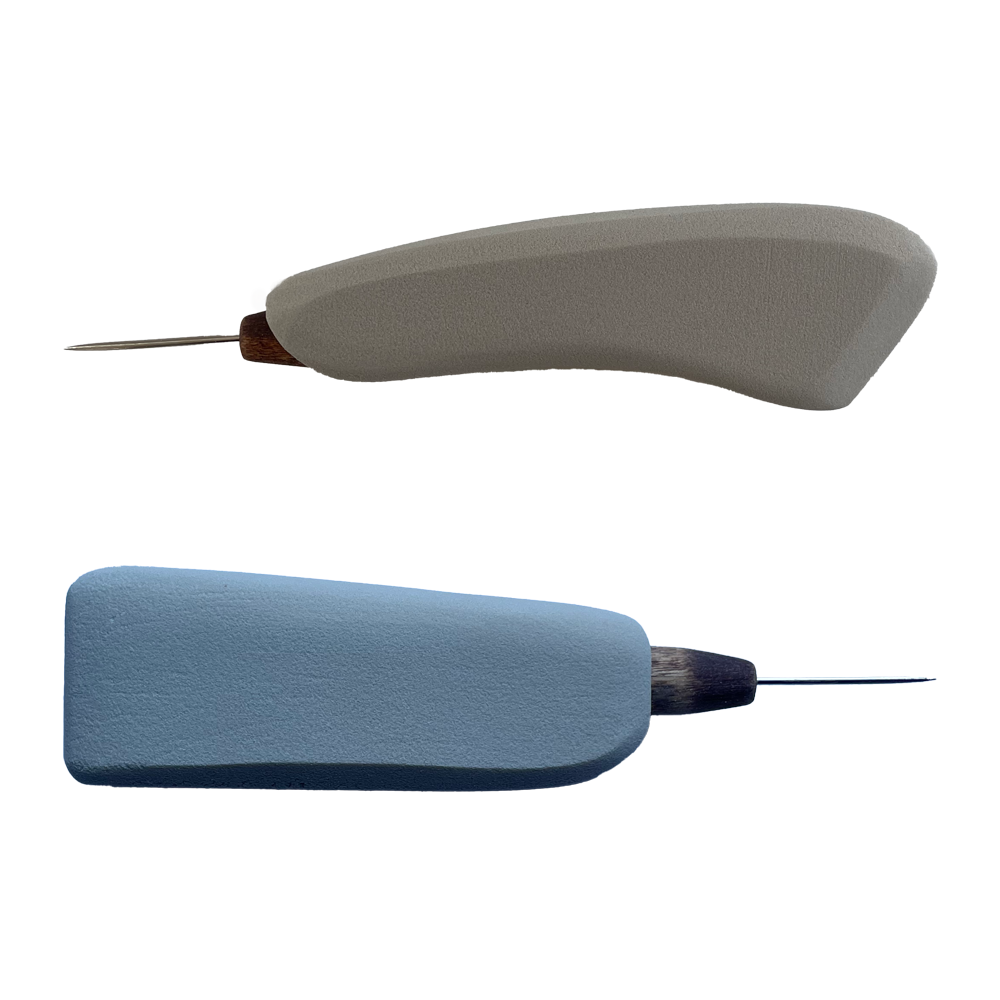
Physical form studies were used to test grip comfort and proportions at full scale, allowing rapid iteration before committing to final geometry.
Packaging
Packaging Concept
The packaging was designed to reflect the premium nature of the product, using minimal materials while creating a memorable unboxing experience.
Unboxing Experience
Every touchpoint of the unboxing was considered — from the magnetic closure to the structured foam insert holding the controllers securely in place.
Materials & Sustainability
Packaging materials were selected for recyclability and minimal waste, using FSC-certified cardboard and soy-based inks throughout.